
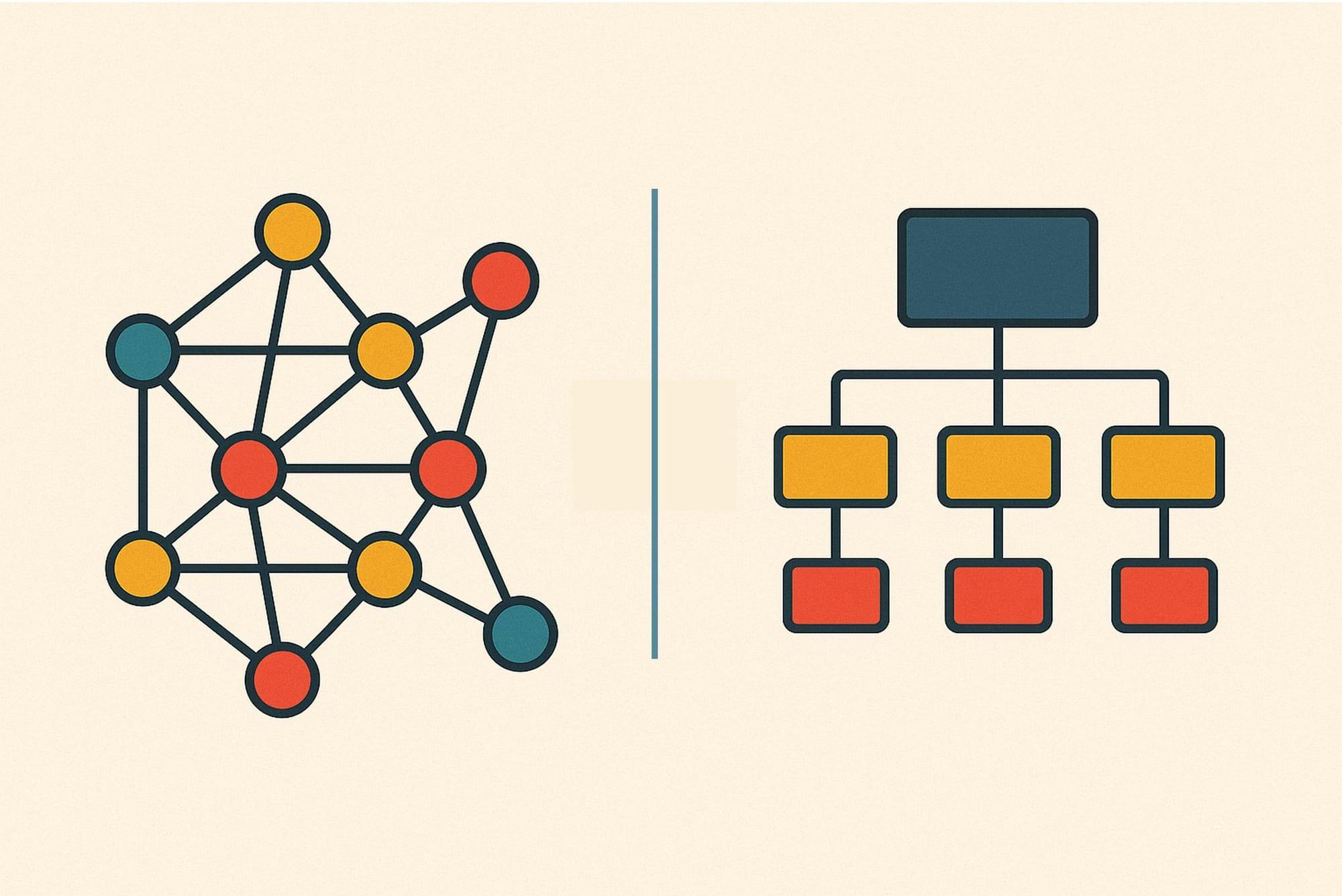
Sales playbooks break in partner-led growth. Learn how to build partner playbooks that drive real revenue across referrals, co-sell, and resellers.
Sales Playbooks vs Partner Playbooks: Why One Doesn’t Translate
Most partner programs don’t fail because of bad partners.
They fail because someone tried to run them like a sales team.
Same CRM. Same stages. Same pressure to “close”.
Different motion entirely.
You end up with partners who don’t engage, deals that never move, and a pipeline that looks busy but converts like a dead channel.
Sales playbooks are built for control.
Partner playbooks have to work without it.
That’s the gap.

The Core Difference Nobody Talks About
Sales is linear.
Partners are not.
A sales rep works your pipeline, follows your process, and answers to your targets.
A partner has their own business, their own incentives, and about ten other vendors asking for attention.
You don’t manage partners.
You earn their effort.
That one shift changes everything.
Where Sales Playbooks Break Down
If your partner motion looks like this, it’s already off track:
- Forcing partners into your CRM stages
- Measuring “activity” instead of revenue impact
- Treating onboarding like internal sales training
- Expecting partners to log and update deals manually
- Incentivising introductions without tying to closed revenue
It feels structured. It looks neat in a dashboard.
It doesn’t produce consistent income.
Partners drift because there’s no real reason to stay engaged.

What High-Performing Partner Playbooks Do Differently
After working with teams that have actually made partnerships a revenue channel, a few patterns show up every time.
1. They design for partner self-interest first
Good partners don’t care about your pipeline.
They care about their own revenue.
That means:
- Clear commission tied to paid revenue, not just deals created
- Transparent visibility into what they’ve earned and what’s coming
- Simple paths to monetise quickly
If a partner has to ask “what’s in it for me?”, you’ve already lost them.
2. They remove friction from deal flow
Most partner programs die at the point of submission.
Too many forms.
Too much back and forth.
Too little feedback.
The best setups:
- Use referral links or simple lead submission flows
- Sync directly into CRM without manual updates
- Notify partners instantly when something moves
If it takes more than 30 seconds to submit a lead, it won’t happen at scale.
3. They treat co-sell like a shared pipeline, not a handoff
Co-sell fails when it becomes “send us leads and we’ll take it from here”.
Strong teams:
- Surface account overlaps automatically
- Give partners visibility into deal progress
- Keep both sides involved in the close
This is where account mapping becomes critical. Without it, you’re guessing who to work with.
4. They build lightweight enablement, not training marathons
No partner wants a six-hour onboarding course.
They want:
- What to sell
- Who to sell to
- How to position it quickly
The best programs use short, targeted content:
- Deal scripts
- ICP summaries
- Objection handling in plain language
Think “get your first deal in 7 days”, not “complete onboarding module 6”.
5. They reward behaviour that leads to revenue
Most programs reward the wrong things.
Sign-ups.
Clicks.
“Engagement”.
High-performing programs focus on:
- Leads that convert
- Deals that close
- Revenue that gets paid
Then they layer in tiers or bonuses to push repeat behaviour.
6. They make partners visible internally
A common failure point: sales teams ignore partners.
Not out of spite, just because partners sit outside their workflow.
Good partner playbooks fix this by:
- Pushing partner leads into CRM with clear attribution
- Sharing partner performance data with sales
- Aligning incentives so reps don’t feel threatened
If your sales team sees partners as noise, the channel stalls.

A Simple Framework That Actually Works
Here’s a model that holds up across referrals, agencies, and resellers.
The 4P Partner System
1. Position
Define exactly where partners fit. Referral, co-sell, reseller. Don’t blur it.
2. Path
Make it obvious how a partner earns. One clear route to revenue.
3. Proof
Show what’s working. Real deals, real payouts, real examples.
4. Pay
Tie rewards to paid revenue and pay quickly. Nothing kills momentum like delayed commission.
If one of these is weak, the program feels loose.
If two are missing, it collapses.
What This Looks Like in the Real World
A partner manager at a mid-sized SaaS company was struggling to activate agencies.
They had 40 signed partners.
Only three had ever sent a lead.
The fix wasn’t more outreach.
It was changing the playbook.
- Replaced a long onboarding process with a 15-minute walkthrough
- Introduced referral links tied to Stripe payments
- Added a simple partner dashboard showing deal status and earnings
- Created a tiered commission that increased after first payout
Within six weeks:
- 18 partners submitted leads
- 9 deals moved to pipeline
- 4 closed and paid
Same partners. Different system.
When Things Break (Because They Will)
Even strong programs hit friction.
Here’s where to look first:
Low partner activity
Check submission friction. It’s usually too high.
Lots of leads, no revenue
Your partner ICP is off or incentives reward the wrong behaviour.
Sales ignoring partner deals
Fix attribution and align compensation internally.
Partners disengaging after one deal
You’re not reinforcing success or showing what comes next.
Most issues aren’t partner quality.
They’re playbook design.
Why This Matters More Now
Partner-led growth is getting more attention for a reason.
Paid channels are expensive.
Outbound is noisy.
Partnerships, when done properly, compound.
But only if the system supports it.
Trying to run partnerships on spreadsheets or forcing them through a sales-led process doesn’t hold up. You need infrastructure that matches how partners actually work.
That’s where a proper PRM like Partner.io comes in.
It handles the messy bits:
- Deal tracking without manual updates
- Commission tied to real revenue
- Partner visibility across the funnel
- Account mapping for co-sell
So you can focus on building the relationships that drive growth.

The Next Step
If your partner program feels busy but not productive, don’t add more partners.
Fix the playbook.
Start with:
- One clear partner type
- One simple path to revenue
- One clean way to track and reward it
Get that working, then scale.
Everything else is noise.
Not sure where your partner playbook is breaking?
We’ll show you where friction usually sits, from deal flow to commission, and how to fix it without rebuilding everything.
→ Get a 15-min walkthrough
Published April 24, 2026