Strategy
HeyMantle vs Partner.io: Which One Fits Your Growth Model?

HeyMantle vs Partner.io
Most teams pick between these two after the same meeting:
Revenue is growing
Nobody agrees on why
Partners say they bring deals
Sales says they don’t
Finance asks who to pay
At that moment, the business is not choosing software.
It is choosing what it believes creates revenue.
Pick wrong and nothing breaks immediately.
Six months later, growth stalls, and nobody knows why.
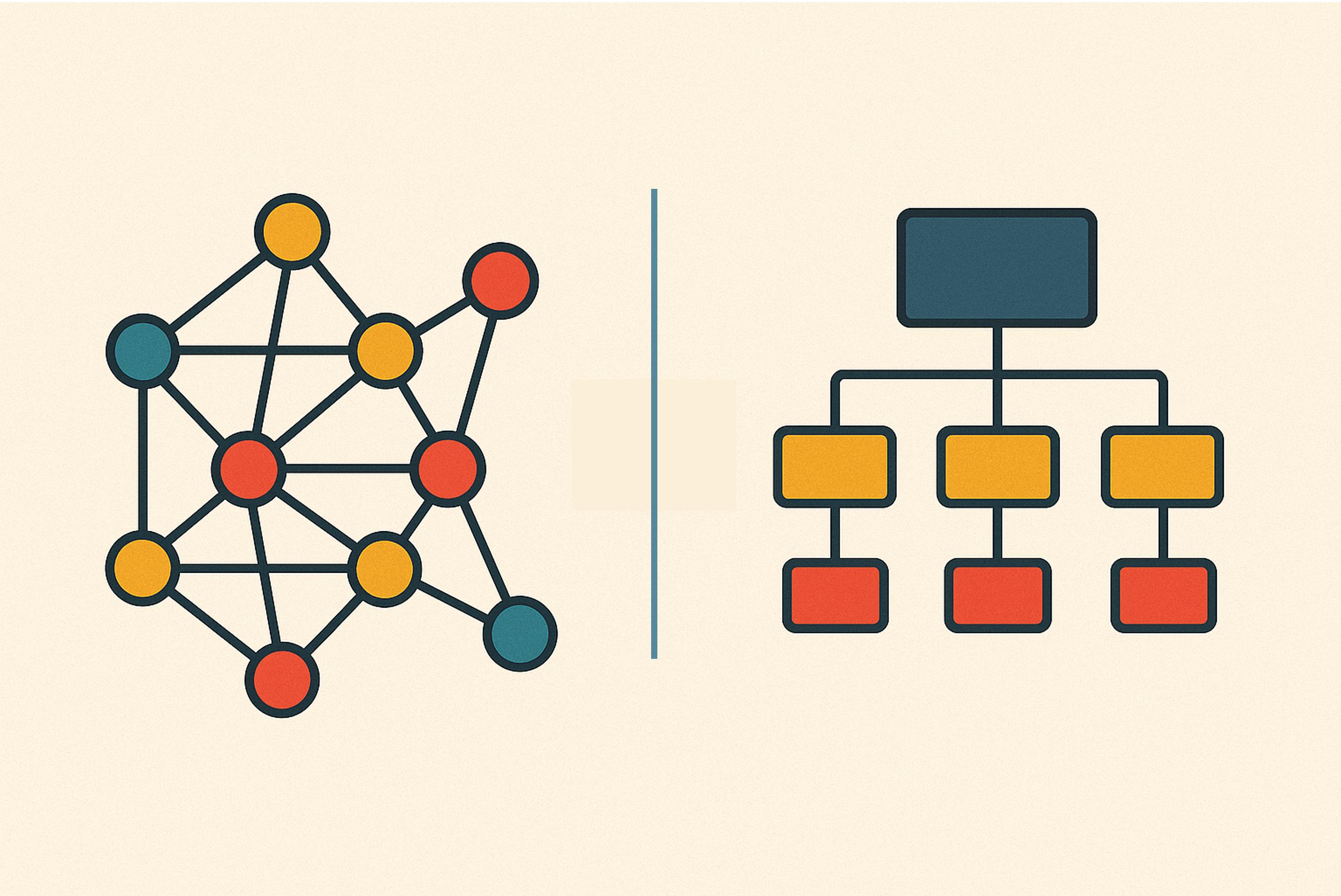
Two tools, two causes of growth
HeyMantle explains revenue created by product behaviour.
Partner.io explains revenue created by people outside your company.
They overlap in dashboards.
They do not overlap in outcomes.
One measures customers interacting with software.
The other coordinates companies interacting with each other.
What HeyMantle actually fixes
You have installs but unclear revenue
Pricing changes but results feel random
Churn exists but the cause is unclear
Billing logic lives in code or spreadsheets
Your growth questions sound like:
Which plan converts
Which feature drives upgrades
Why trials fail
Why retention shifts after pricing
HeyMantle gives control over billing mechanics and visibility into subscription behaviour.
Strong when
product usage determines revenue
pricing experimentation matters
retention analysis drives strategy
Weak when
deals start before signup
humans influence purchase decisions
attribution disputes exist
If revenue starts after a user touches the product, this is the right layer.
What Partner.io actually fixes
Deals appear in CRM without a clear origin
Agencies claim credit late
Consultants introduce buyers
Sales loops partners in after progress
Commission conversations repeat every quarter
Your growth questions sound like:
Who sourced this
Did the partner influence the deal
Should we pay them
Why did referrals stop
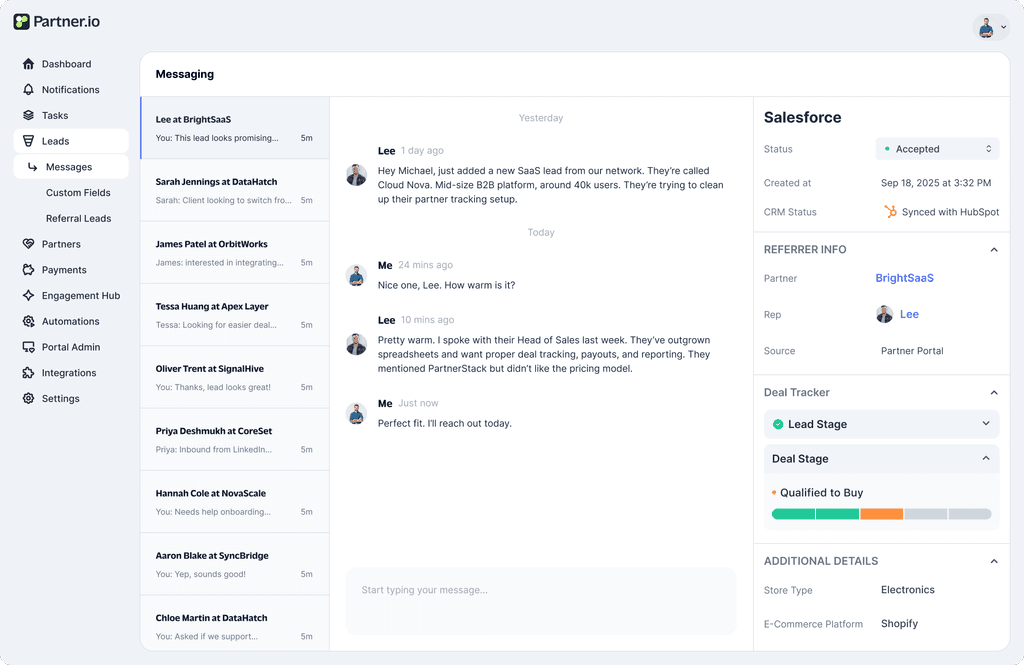
Partner.io coordinates external contributors to a deal.
Strong when
partners introduce opportunities
co-sell is common
attribution affects trust
payouts affect behaviour
Weak when
revenue primarily changes because of plan structure or feature packaging
churn reduction depends on product behaviour rather than partner behaviour
growth relies on complex metering such as seats, API calls, transactions, or consumption tiers
If revenue starts before a demo, this is the right layer.

The decision test
Where does momentum begin
Inside the product
Users upgrade, downgrade, churn
Revenue changes after interaction
You need billing intelligence
Choose HeyMantle
Outside the product
Someone recommends you
Someone integrates you
Someone brings the buyer
You need relationship infrastructure
Choose Partner.io
What teams get wrong
They think partnerships are small because the CRM says inbound.
In reality:
A consultant suggests the vendor
The buyer books a demo
Sales marks inbound
Marketing claims success
The partner waits for recognition
The company scales leads but not trust.
Billing analytics cannot fix that.
Failure modes
Using billing analytics to run partnerships
You still argue about attribution
Partners disengage
Forecast stays inaccurate
Using a PRM to fix retention
You still guess why revenue moves
Pricing decisions stay reactive
Product changes feel random
Both tools work
Only one solves the actual bottleneck
Real operating difference
Product revenue is mechanical
Partner revenue is negotiated
Mechanical problems need measurement
Negotiated problems need shared visibility
That is why spreadsheets survive so long in partner programs.
They act as a temporary agreement layer.
Partner.io replaces the negotiation with rules both sides trust.
Quick check
If these exist, you have a partner revenue problem:
agencies appear in deals
integrations influence purchase
referrals close faster
partners ask for updates
payouts require discussion
If these exist, you have a monetisation problem:
plan confusion
unpredictable churn
unclear upgrade drivers
pricing debates
Different symptoms. Different system.

What changes after choosing correctly
Billing clarity improves pricing decisions
Partner clarity changes behaviour
One improves conversion rates
The other improves who brings opportunities
Only one expands distribution beyond your team.
The point
Companies rarely outgrow their product first.
They outgrow their ability to coordinate the people selling it.
When revenue starts forming outside your company, internal tooling stops explaining growth. You need a structure partners can trust, not another dashboard your team reads alone.
Once you can see who creates deals and why they repeat, you can design the program intentionally instead of reacting to it. That is when the growth conversation finally moves from guessing to building.
If partner-influenced deals show up in your pipeline, it’s worth seeing the mechanics instead of guessing.
See how it runs in practice and decide if it fits how you sell:
https://www.partner.io/book-demo